

As I feel the time slip through my fingers
I wish I accomplished more
No matter what was wasted or ignored
With you calmness regains and the ticking is no more, is no more
Waves Crashing, from Olympia, Washington, make guitar music with a firm belief in the old virtues: the right chord arriving at the right moment, a bass line with some bite, drums that know when to push, and a voice that sounds as if it has been carried through several bad decisions and one good dawn. Since their first EP in 2021, the trio (Josh Calisti on guitar and vocals, Bryce Albright on drums, and Zach Olson on bass) have become a steady presence in the Pacific Northwest alternative scene, releasing music at a patient clip and sharing stages with Wavves, Ringo Deathstarr, Sun Atoms, The Veldt, and Cigarettes For Breakfast.
The reference points are legible without becoming a costume. There is some Pixies tension in the way the songs can move from sweetness to abrasion without warning, some Lemonheads plainspokenness in the melodies, a little Eels-like bruised humour in the emotional posture, and a Jesus and Mary Chain fondness for guitars that arrive with a narcotic haze and a hidden blade. Waves Crashing aren’t here to reinvent the wheel; they’re here to let it roll fast, skip a curb, and spray you with whatever’s left in the puddle.
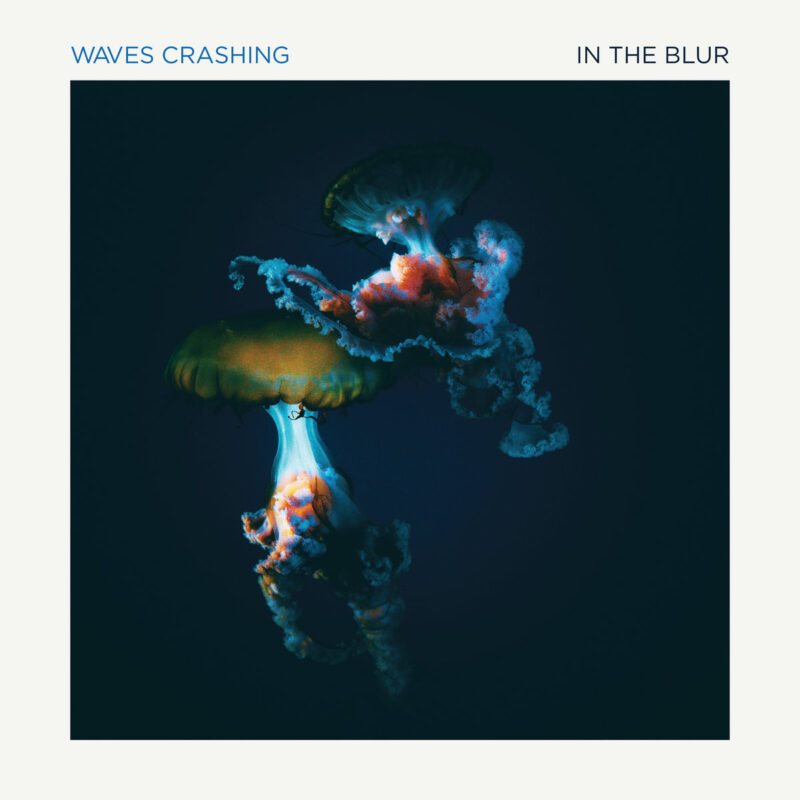
Their new eight-track collection, In The Blur, finds the band sharpening its blend of shoegaze haze, post-punk momentum, and melodic alternative rock. The title is apt: these are songs about states of suspension, about being caught between who one was and who one might become, between escape and acceptance, between the tug of memory and the plain need to keep moving. The album has the shape of a private weather report without ever overexplaining itself. It is anxious, bruised, romantic, and frequently generous.
Feel The Glow, with gauzy vocals, bass groove, and melodic guitar overdrive, opens with reassurance rather than triumph. Its emotional world is one of survival after uncertainty, the quiet relief of making it through, and the strange tenderness that can arrive when a person stops trying to master every fear. Calisti sings from somewhere near the threshold between collapse and recovery, and the band wisely lets the song breathe. Its warmth comes through restraint; the glow is suggested rather than forced.
Circles, swirls its shoegaze tempest, gives the record a sharper edge, with lyrics that turn toward systems that raise people up just long enough to cut them down: scenes, markets, institutions, little gods with clipboards. The song’s circular structure suits its complaint, setting frustration against a churning sense of repetition. It is about the exhaustion of chasing approval from machines built to keep the chase alive.
Marine Garden softens the guitar, with a gentle paring down of effects, feeling less Shoegaze deluge and more alt-rock via The Cure and The Ocean Blue. Lyrically, it steps outside the previous track’s cul-de-sac trap and floats upon tranquil waters. The song is a seaside meditation on memory, love, and bodily presence, with the beach serving less as scenery than as a temporary reprieve from psychic clutter. Salt air, sunlight, and open blue become a modest cure. Waves Crashing are especially good at this kind of emotional geography, where a physical place becomes a way of thinking.
The lyrical tension returns on Divide, one of the album’s more pointed tracks, whose tight, drum-led rhythm section and jangled guitar drive the point home. Fear, loyalty, indecision, and fractured friendship press against one another until the act of choosing begins to feel almost impossible. The song understands a familiar modern paralysis: the compulsion to watch conflict unfold, the dread of taking a side, the knowledge that neutrality can become its own form of damage.
Out & Away again mixes college-rock jangle with shoegaze crash. Lyrically, it sees through lies and polished authority, reaching the point where departure becomes the cleanest remaining language. The track has a clipped urgency, as though the band is packing a bag while the room fills with smoke. By contrast, “Coming Up For Air” is less about flight than recovery. Sitting between the sound of The Charlatans and Slowdive, the song moves through confusion, endurance, and the desire to become one’s better self, or at least a less wrecked version of it.
The album’s surprise is its cover of Creep. Taking on Radiohead’s most burdened song is always a risk, since the original has been flattened by overuse and cultural familiarity. Waves Crashing find a useful route around that problem by sending it through a dreamy shoegaze treatment, almost as if the Dandy Warhols had wandered in with sunglasses, delay pedals, and a sly grin. It is absolutely magnificent, because it allows it to drift, loosen, and become strange again.
The breezy Ride-esque closing track Next To Me gathers the album’s central concerns – time, regret, love, legacy – and turns them toward intimacy. The song feels aware of hours slipping away, of chances missed or mishandled, yet it finds steadiness in another person’s nearness. After an album preoccupied with cycles, division, escape, and survival, companionship becomes a kind of shelter. In The Blur ends there, with a hand extended in the haze.
Listen to In The Blur below and order the single here.
Follow Waves Crashing:
Website
Facebook
Instagram
Spotify
TikTok
The post “Gazing into the Blue Void” — Olympia Shoegaze Trio Waves Crashing Come Up for Air With “In The Blur” appeared first on Post-Punk.com.