
In pop culture, there’s something deeply compelling about the idea of a ‘forgotten genius’ whose talent has been rediscovered. The trope blossomed in the early 2010s, just before the combination of social media and smartphone ubiquity made it harder for anyone to disappear from view (see the 2012 Rodriguez documentary Searching For Sugarman and indie rocker Richard Katz in Jonathan Franzen’s 2010 novel Freedom). What if things had been slightly different for a gifted artist who never quite made it?
READ MORE: The best films of 2026… so far!
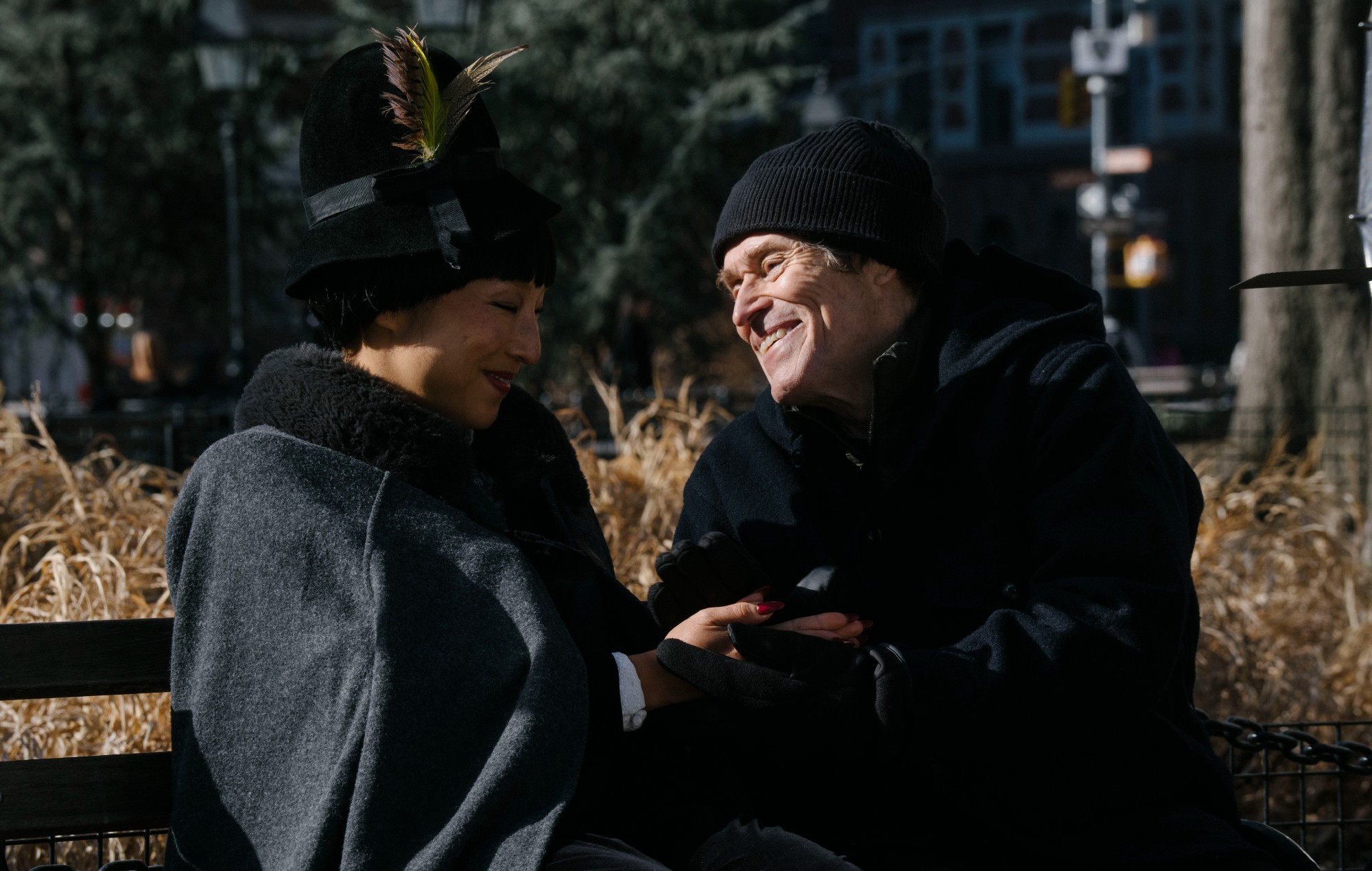
Late Fame, director Kent Jones’ second narrative feature, applies this evocative question to a fictional New York poet who knocked about with the likes of Allen Ginsberg in the 1970s. In the present day, Ed Saxberger, played with craggy charm by Willem Dafoe, works at the post office and hasn’t written a poem for decades. Like the arty and experimental downtown New York in which he plied his literary trade, Saxberger’s creative life is a thing of the past. Now, when he’s not sorting the mail, he hangs out in a local bar with his ageing, blue-collar buddies, who know nothing about his masterful 1979 collection Way Past Go.
That’s until he’s approached on the street by Meyers (Edmund Donovan), an aspiring scribe who’s formed the Enthusiasm Society, a group of like-minded (read: pretentious) writers who revere the book and consider Saxberger a genius. Would the neglected visionary consider paying them a visit and, perhaps, even writing a new poem for their upcoming performance?
Their initial brief exchange provides the most memorable and moving moment of the entire film. Dafoe is spellbinding throughout as Saxberger, who seems to have buried his ambition and wilfully mislaid the coordinates to its whereabouts. Confronted by Meyers, though, his eyes twinkle with hope and a long-forgotten hunger for recognition. When he meets the gang, which also includes the charismatic performance artist Gloria (Greta Lee) whom he finds bewitching, his newfound status as a literary legend soon swells Saxberger’s ego. At one point, he snaps that his bar-room pals “have no idea” how important he really is.
Jones is that rare thing: a film critic turned director. His own creative life was forged in the pre-gentrification of New York, which is why he and screenwriter Samy Burch have transplanted the action of Arthur Schnitzler’s 1894 novella from Vienna to a city he knows so well. It’s clear that the film is an elegy for an NYC that was more about loft happenings than the one per cent.
Indeed, it doesn’t take Saxberger long to twig that Meyers and co. are just cosplaying rich kids who have romanticised the past out of all proportion. Late Fame makes vague gestures towards anti-nostalgia but doesn’t quite land the blow – the result is oddly inconclusive and unsatisfying. You also never get the sense that the upcoming performance really matters, which robs the film of its dramatic tension. Still, you can’t fault Dafoe, a genuine former fixture of scuzzy old New York, whose talent has thankfully never been in doubt.
Details
Director: Kent Jones
Starring: Willem Dafoe, Greta Lee, Edmund Donovan
Release date: September 4 (in UK cinemas)
The post ‘Late Fame’ review: Willem Dafoe beguiles as a rediscovered genius appeared first on NME.