
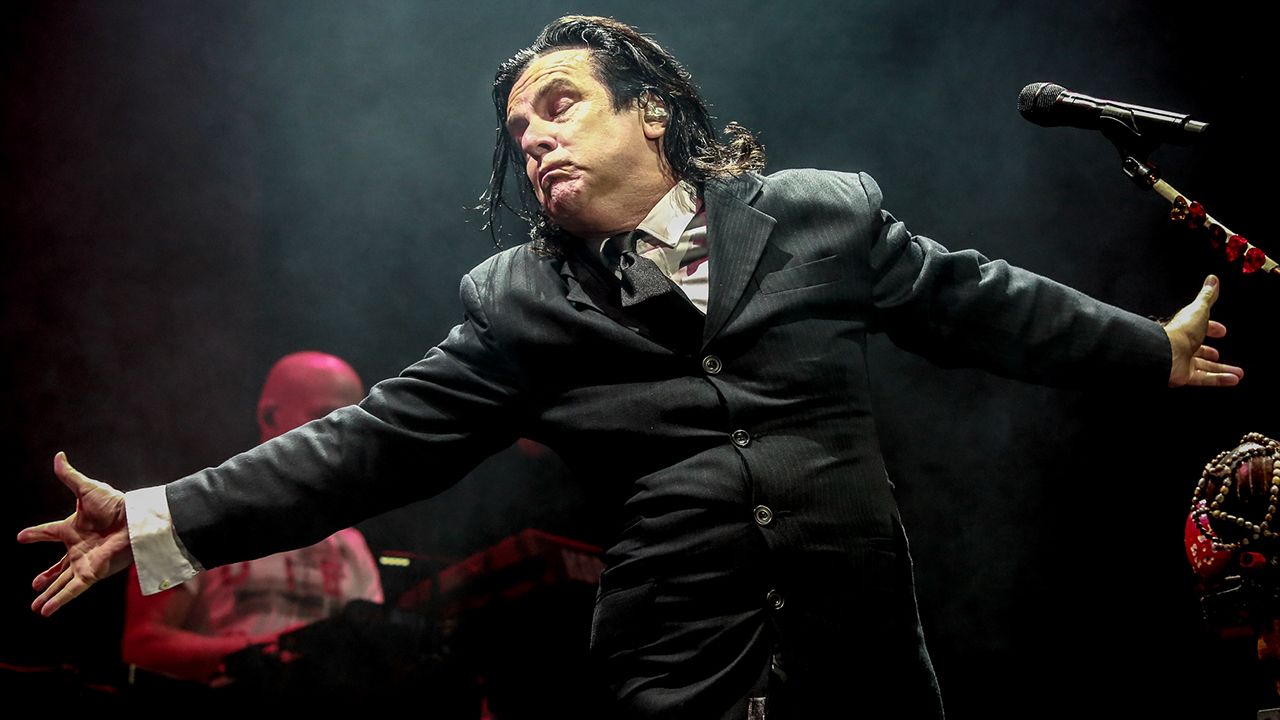
Marillion’s revolutionary crowdfunding campaign, which they ran to fund their 2001 Anoraknophobia album, came after they’d been dropped by their major label in 1995. The prog icons are credited with building the pledge model, which exploded across the industry until the collapse of PledgeMusic in 2017.
By that time Marilion – who’d released F.E.A.R. with the defunct platform a year earlier – had moved on. Looking back in 2016, singer Steve Hogarth recalled just how far they’d come after making the great escape, and inspiring other artists to do the same.
“The major labels are not doing it because they love you. If they’re really honest, they’re not even doing it because they’re excited about the music.
They’re excited about the new Coldplay album because they can hear there’s a hit that’s going straight on the radio, and it’s worth a million quid. I’m talking here about the people who work on the top floor, not the people who work in the offices.
Another thing I learned – which really shocked me – was that the people in the offices actually had no kind of clue about what kind of deal you’re on, what your royalty payments are like, whether you’re getting one per cent or 90 per cent of an album. They just assume that all the artists are paid really well for what they do, and all get rich.
I remember speaking to a girl there and telling her what we earned and her jaw hit the floor. She had no idea. So there are only four people in these major labels, in the business affairs department, who have any clue what the artists are being paid.
Back in those days, I don’t think we felt directly pressured to change the music. The way they would exert their influence was, they would bring a producer in and they would whisper in his ear.
The phone would ring and it would be, “Is there this and is there that? Have you made sure there’s enough of that?” That way, they didn’t have to come to us as artists and say, “Can you sing it a bit more like that and is there enough chorus?” —because they were whispering at the producer.
The label would always insist on appointing a producer because he was their control system: who knows what the fuck you can do with artists, but you can whisper in a producer’s ear.
Thankfully, that was a long time ago.”