
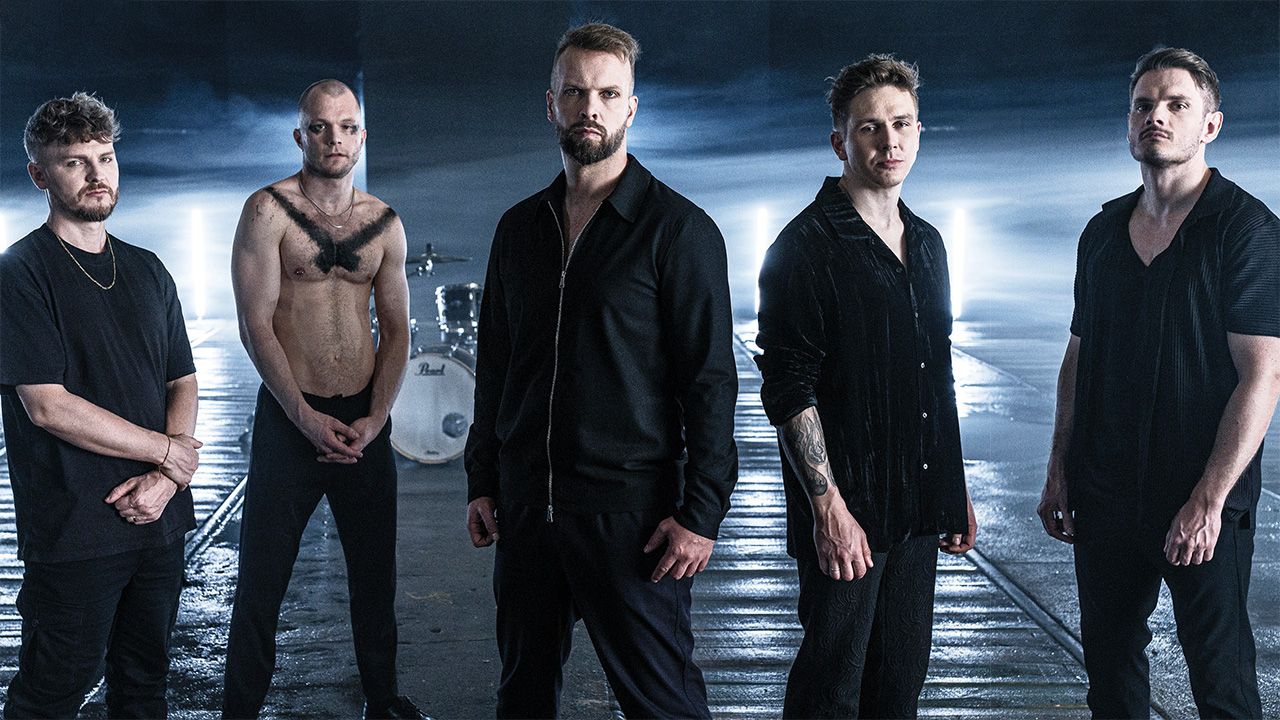
Leprous’ most recent album, Melodies Of Atonement, followed the release of Aphelion three years earlier, which had featured a song co-written with their fans during Covid lockdown. That experience informed what they did with their eighth studio record – although not in the way it might have been expected, as they told Prog in 2024.
When crafting 202 album Aphelion, Leprous wrote the track Nighttime Disguise over a series of lockdown livestreams with the help of their fans. That experience, says guitarist Tor Oddmund Suhrke, “showed us that a lot of our fans are also musicians. I said that if we give them the option of combining different elements, like time signatures, then that’s what they’ll choose.”
He continues: “I was right. We ended up using three different time signatures, three different keys, both six- and eight-string guitars and acoustics. It has hectic riffs, epic brass, growling and high-pitched vocals. I guess our fans agree with Yngwie Malmsteen – more is more!”
Those who adore Nighttime Disguise will find plenty to love on new album Melodies Of Atonement. With Einar Solberg’s blossoming solo work set to explore the orchestrations that characterised Leprous’ previous three records, the prog metallers are going the other way.
“We wanted to see what we can do with the instruments we have in the band,” Solberg says. “We’ve also tried to use each member to the best. We tried to work more like a football team; you don’t have everyone playing in the same position at the same time.”
While slightly at odds with the Suhrke’s Malmsteen reference, Solberg reflects: “I think by removing elements, you can make other elements more prominent and shine more. Music doesn’t get bigger by adding stuff – that’s a misconception.
“Symphonic orchestras rarely have everyone playing at the same time. By removing some elements you can make the music so much more impactful when everyone does come together. We love to play with the dynamics. It was amazing to do it with only the five of us.”
Leprous’ blueprint remains multidimensional, allowing for new influences and ideas to seep in. “We wanted lots of 90s hip-hop grooves with Leprous on top,” Solberg reports. “Imagine B-Real from Cypress Hill rapping over the top of the intro of Like A Sunken Ship – that was the vibe we were going for.
“We’ve found we can do whatever we want, musically: once we’re all playing on it, no matter how much we change our sound, it will always sound like Leprous. When you stop trying and stop worrying about what you want to be, you put yourself be out there in the open for people to love or hate you.
“That is the key to originality. The human mind is universal; people always find something to recognise in their own life in your lyrics and music, even if it’s different from how it was intended.”