
On December 8, 1980, John Lennon and Yoko Ono gave a rare radio interview in their New York apartment to promote the release of their new album, ‘Double Fantasy’. Hours later, Lennon was gunned down and killed by disgruntled fan Mark David Chapman.
In his new film, which has just premiered at 79th Cannes Film Festival, Steven Soderbergh revives that now-poignant chat using the original cassette recordings. ‘Double Fantasy’ marked Lennon’s return to music after an absence of five years and The Last Interview sees him explaining the creative process behind the record, which was supposed to feel similar to a “play with two characters” exchanging dialogue. He also professes his love for disco and explains the similarities between The B-52’s and Ono’s own experimental music. Knowing what happened next, it’s heartbreaking to hear his excitement for the future following what he describes as “diarrhoea of creativity”.
Alongside the original tape recordings, this documentary features new contributions from three of the four KFRC journalists (Dave Sholin, Laurie Kaye and Ron Hummel) who recorded the interview. They explain how they had been given strict instructions to avoid all talk about The Beatles – and their relief is obvious when they reflect on Lennon himself bringing his former band up.
Perhaps the film’s most moving moment is when Lennon speaks about the two creative partnerships in his life – Paul McCartney and Yoko Ono – and explains how they both came from a place of love and mutual respect. Lennon and Ono are still clearly head-over-heels as they describe how they met and started dating.
John Lennon and Yoko Ono for ‘The Last Interview’. CREDIT: Nishi Saimaru via Cannes
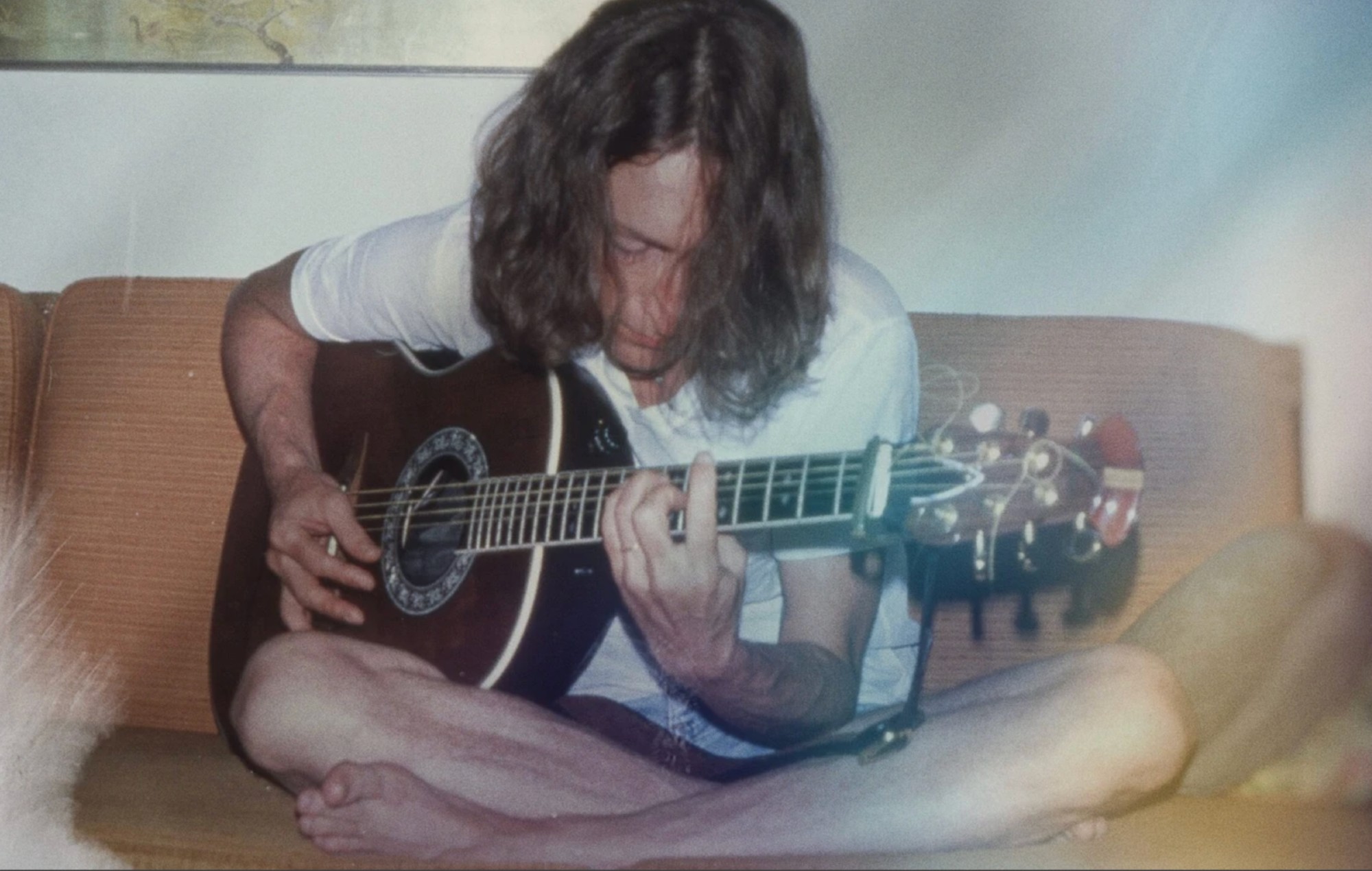
To go alongside the audio, Soderbergh uses a wealth of archive footage which, for the most part, adds to the rich, world-building of The Last Interview. Rarely seen photos of Lennon and Ono reveal a charming, playful side to the couple. However Soderbergh has also used generative AI to create surreal images to illustrate 10 per cent of the film, which feels like a misstep because the poorly conceived pictures (streets flooded with oil, crying babies) are a world away from the tender story of loss and grief at the heart of this documentary.
The film ends on a chilling note, as Kaye recalls being accosted by a creepy guy as she and the other journalists left the building, only to realise hours later that she’d given a copy of Lennon’s latest album to his killer (who is not named in the film).
In short, The Final Interview is engaging, insightful and deliberately hopeful, which only heightens the profound sense of loss that came with Lennon’s death. The AI images do dilute some of the documentary’s emotional blows but hey, at least Soderbergh didn’t use the controversial technology to have Lennon actually address us himself.
Details
Director: Steven Soderbergh
Release date: TBC – NME saw John Lennon: The Last Interview at Cannes Film Festival
The post ‘John Lennon: The Last Interview’ review: AI images dull an otherwise devastating documentary appeared first on NME.