
Maybe it’s a record you pick out from a dusty box in your parent’s garage. Maybe it’s a track your friend shows you on an unassuming Tuesday that will go on to be a lifetime favourite. Discovering music is discovering ways to articulate the world.
There are effectively an infinite amount of songs out there. With around 200 million available to stream alone, you would need to live for 85 years and listen to 6,400 songs a day without ever sleeping to get through them. This thought brings me relief. Why? Because it means that out there in all the various formats, there are an endless amount of songs to be discovered.
The Universal Music Group catalogue happens to be the largest in the world, containing 3.4 million recordings and 5 million music publishing titles. Each day a team of people across the world set about preserving this archive and digitsing its contents.
I’ve always been fascinated by music of the past and this is what led me to working with the UMG archive, leading a fresh hunt for dance and electronic music of years gone by. The project, digging through Universal’s dance and electronic catalogue, is called Re:versal.
What Is In The Archive?
Think of all the artifacts surrounding something like a major artist’s album release. The posters, vinyls, CDs, t-shirts, tapes, studio recording notes, artworks and every creative act that goes into releasing music. Those things still exist and when they’re required, someone picks them from the vault in a huge warehouse and sends scans, images, audio files and anything else that’s relevant. For music this means audio from recording sessions, including bonus tracks, remixes, alternative versions and more.
The Inception of Re:versal
One quiet winter evening, I was unexpectedly moved to my feet by DJ Caspar’s insatiable ‘Cha Cha Slide’ (on my own, I might add). Once the song ended, I saw the release had originally come from the now defunct ‘Universal Recordings’ label. My mind started to run, wondering what other classics or even deep-cuts might be sitting in these archives. The next question was how to get involved and where possible, rediscover, re-release, and bring gems, classics and rarities to intrigued audiences all over the world.
Someone I admire once said, ‘The only thing standing between an idea and an outcome is a series of successful conversations.’ So, after a series of successful conversations, the project of unearthing these iconic and hard to find recordings from the archive started taking shape.
Curating The Catalogue
The process began in May 2024 when we set about digging through some of the world’s most influential labels at Universal that make up this vast catalogue. Think Island Records, Virgin, Capitol, Astralwerks, AM:PM, Positiva, Polydor, Decca, and many more. Capturing the period from 1988-2014, we went searching for all the dance and electronic music in this vast archive. After scouring through 100,000 releases, with fingers tapping on desks and heads nodding throughout, we built a refined dance and electronic catalogue of 4,000 iconic and impactful tracks. This is the backbone of the label and brand Re:versal.
Celebrating The Music
This project is a unique exploration, especially in the world of major music companies. Many labels re-issue and repress records, but as it stands, this is the first project of its kind in the dance and electronic space, because it unites multiple major labels under one roof. Therefore this catalogue covers such a wide range from the first electronic recordings to the global hits that made dance and electronic music popular the world over.
Naturally built into this diverse legacy is a diversity of genders, ethnicities and communities that make the project unique. This is vital given the history of dance music.
It wasn’t a group of white straight men that conceived of house, techno or electro. It was African-American, Latin-American, gay, queer and trans dancers and DJs that started what we call dance music. It was women with synthesisers trying something new. It was people with a passion and a need for expression, against the pull of popular culture at the time. People making a stand against the pillars and obstacles that told them they did not fit in. Whether in a backroom ‘Ball’, a dimly lit loft or refurbished parking garage in New York, this power to move started a movement.
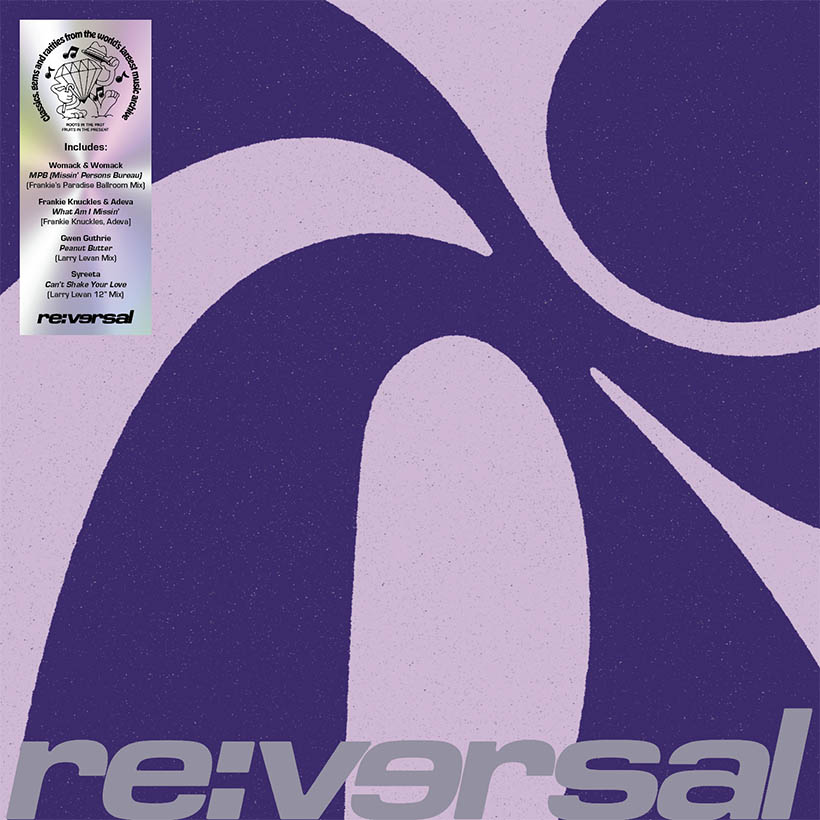
We do our best to explore the roots of where the sounds began and celebrate the fruits that it has borne the world over. Celebrating the music also means getting it out to the world. From the archive to record releases, playlists, DJ mixes and more, we’ve been sharing our findings. In 2025, we released two records, with a third coming this summer featuring the founding fathers of house music, Frankie Knuckles and Larry Levan.
As we curate releases and tell the story around the history of dance and electronic music, we’re inviting people to join us for the ride and celebrate the history of dance and electronic music.