

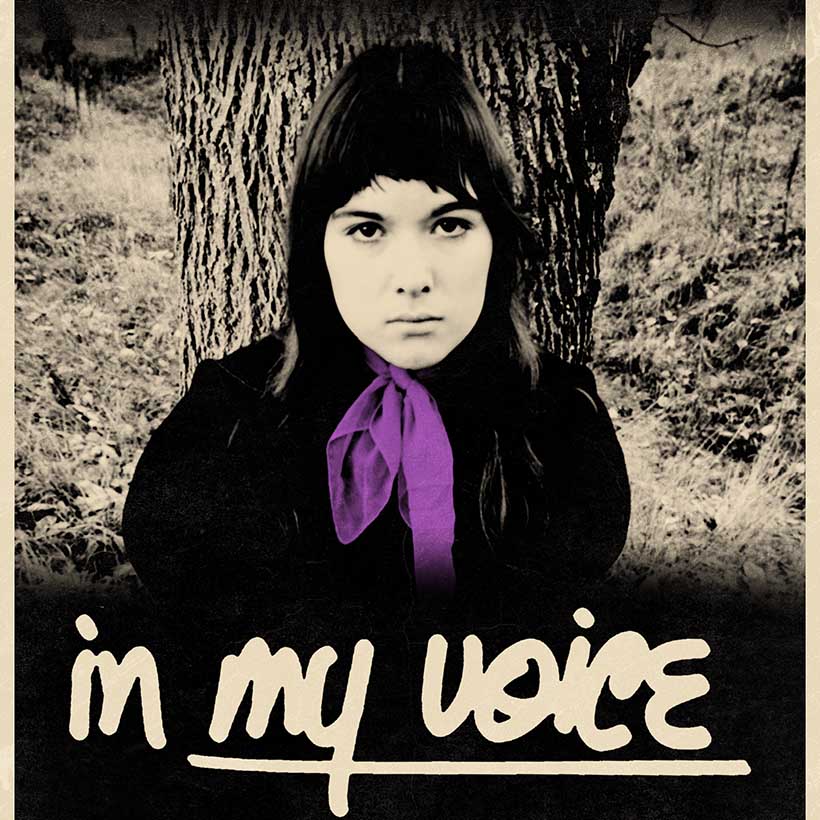
The documentary In My Voice tells the story of Heart singer Ann Wilson from her perspective for the first time. The film uses previously unseen home video footage, diaries and photographs along with new interviews with Ann, as well as family, former bandmates and fans including Chappell Roan, to trace her path from childhood dreams of rock stardom to Rock And Roll Hall Of Fame inductee. In My Voice is directed by Nashville-based filmmaker, Barbara Hall, the Prime-Time Emmy-nominated producer behind the Dolly Parton series Song By Song, and documentaries including Loretta Lynn: My Story In My Words and Wynonna Judd: Concert From my Place. Hall spoke to uDiscover about the making of In My Voice.
Find out more about the documentary tour here.
Why make a documentary about Ann Wilson?
Well, it’s just such a remarkable story. Her songwriting just matters. I think she’s one of the all-time great lyricists, and somewhat sadly, songs like “Barracuda” are still very relevant today. She is very generous with sharing credit and laughs about some of the expectations of the business in the 90’s, but the things that have sustained are those lyrics that she wrote that really were personal to her. And then, of course, that voice is just undeniable. She’s really humble and understated – you ask her about herself, and she quickly starts talking about other people who have influenced her and why they matter more. And she’s so loyal to the people around her, so it’s that whole package. I didn’t know all this for sure before we made the film. I just knew she was a great lyricist and singer, but getting to know her was really a pleasure. I’ve been doing this a long time, and sometimes you can get a little disappointed when you finally get to meet the people you hold in such high esteem. Let me just say there was no disappointment here.
How did you set the wheels in motion?
I was really lucky, it was right place, right time. Her lawyer lives here in Nashville, and he had seen a lot of the other films that I made. He got in touch and just said, “We need her story to be told.” I had produced a concert with her Tripsitter band, and got to know her and her team then, so there was a little bit of a trust factor there. When you’re someone like Ann Wilson, to turn your story over to somebody you don’t know, that’s got to be unnerving. So it was an honor that she had that trust in me.
What were Ann’s motivations for making the documentary?
I think she really wanted to set her story straight. As an artist of that stature, people just write things and assume things about you, and you have no control over that narrative. There was always a lot of speculation about her relationship with Michael [Fischer, Heart’s manager] – who did what to whom, and what contributions he made. And she was brutally honest in the film – she did love him, he did break her heart. I really admired that; it takes a lot of guts to show a little bit of vulnerability, especially for her, because she’s not an open book; she has a lot of layers. She’s a really good person, and it’s hard to be a good person in the kind of business that she’s in. You have to be tough, but there’s a soft side to her. I don’t think she likes to show it all the time, but it’s there.
The archive footage used in the film is incredible, both for giving a sense of the times and for adding a different texture to the film. How difficult was that to source?
Ann kept everything! There’s a little bit of footage of her family on Christmas morning, shot with her first video camera. That camera took some of that footage that we see in the film, and I actually have it here in my office! She collected so much stuff over the years that she had a couple of warehouses where she was storing it. Some of the footage had degraded so badly that it wasn’t usable, and it was on all different formats because it was from throughout her career. She hadn’t opened those boxes in decades. So her manager and I were in this warehouse, and we’re going, wow! That was a lot of fun, I mean, I could have cut a whole film with just her archives.
Heart’s early days gigging in Canada are beautifully brought to life in the film…
It was really important that people know how Heart formed. Nancy was four years younger, and so when she came along, there was space for her, for sure. And did she contribute? Hell yes. But you know, the music business back then, you had to pay your dues. They played every divey, grungy gig to three drunk people. And much of those dues were paid during those first few years while they were up there in Vancouver. That’s just what had to happen.
Ann has become such a role model for women in music. How important was it for you to show that?
I didn’t set out to show women this is what you should or shouldn’t do, or how you should or shouldn’t behave. Once Ann had her heart broken, I think she put that aside and just focused on being a musician; that’s who she is. To this day, she doesn’t say, I’m the poster child for women’s empowerment. She was just being what came naturally; she just didn’t have a choice about those lyrics. Often I see her, she’s at a table with a piece of paper and a pencil, and she is writing things down. That’s just in her DNA; she can’t not do it. And she writes really interesting things now, she said that one of the things about getting older is that who cares what people think, “I’m going to write what I want.” I said she should write a book because we’re barely scratching the surface.
There are plenty of stars in the film eager to sing her praises. You must’ve been thrilled when Chappell Roan agreed to take part?
I thought, OK, now we really don’t need anybody else from this younger generation because we’ve got someone who’s at the top of her game, saying, ‘this is who I’m emulating’. So, yeah, I was really happy that she said yes. She was great!
Did you expect Ann to be so honest about her personal struggles?
I think she has done the emotional work, where you have to claim it and own it, and that’s what you have to do to overcome it. She was never going to deep dive and give us all the gory details. I don’t know that she even remembers; she’s just a quiet, introverted kind of person, and her stories and her emotions come out in her writing. So to get her to actually say it in front of a camera, it’s not natural for her, but she never said anything was off limits. There’s still so much that you’re not going to know about this woman and her life, but I tried to give a little bit of everything so you could see it in context. What her upbringing was like, and what contributed to making her who she is.
Can we talk about her rendition of “Stairway To Heaven” in front of Led Zeppelin at the Kennedy Center?
It’s such a great performance, it’s her at her peak. And those guys were there crying. I just thought that was really important, not just to show what a great performer she is, but to show how important that song and that band was to her. She wanted to be like Led Zeppelin. She knew every song and every riff that they ever played, and she’s recorded multiple Led Zeppelin songs. So it was such an important thing for her. I couldn’t not include that.
Finally, you and Ann are taking the film on a tour of cinemas in North America. How much are you looking forward to seeing audiences’ reactions to the film?
Well, I love that part. I like to sit in the back of the room when people are watching a film and see, like, are they laughing at the same things I’m laughing at? Are they crying at the things that I thought were sad? I thrive on that. So Ann and I are going to do Q&A’s together after each screening. I love that kind of thing because I want people to know more, and to feel like they can ask whatever they want. So that’s going to be fun. I’m really looking forward to being on the road with her. What an honor. Like, how lucky am I to be going on tour with Ann Wilson?