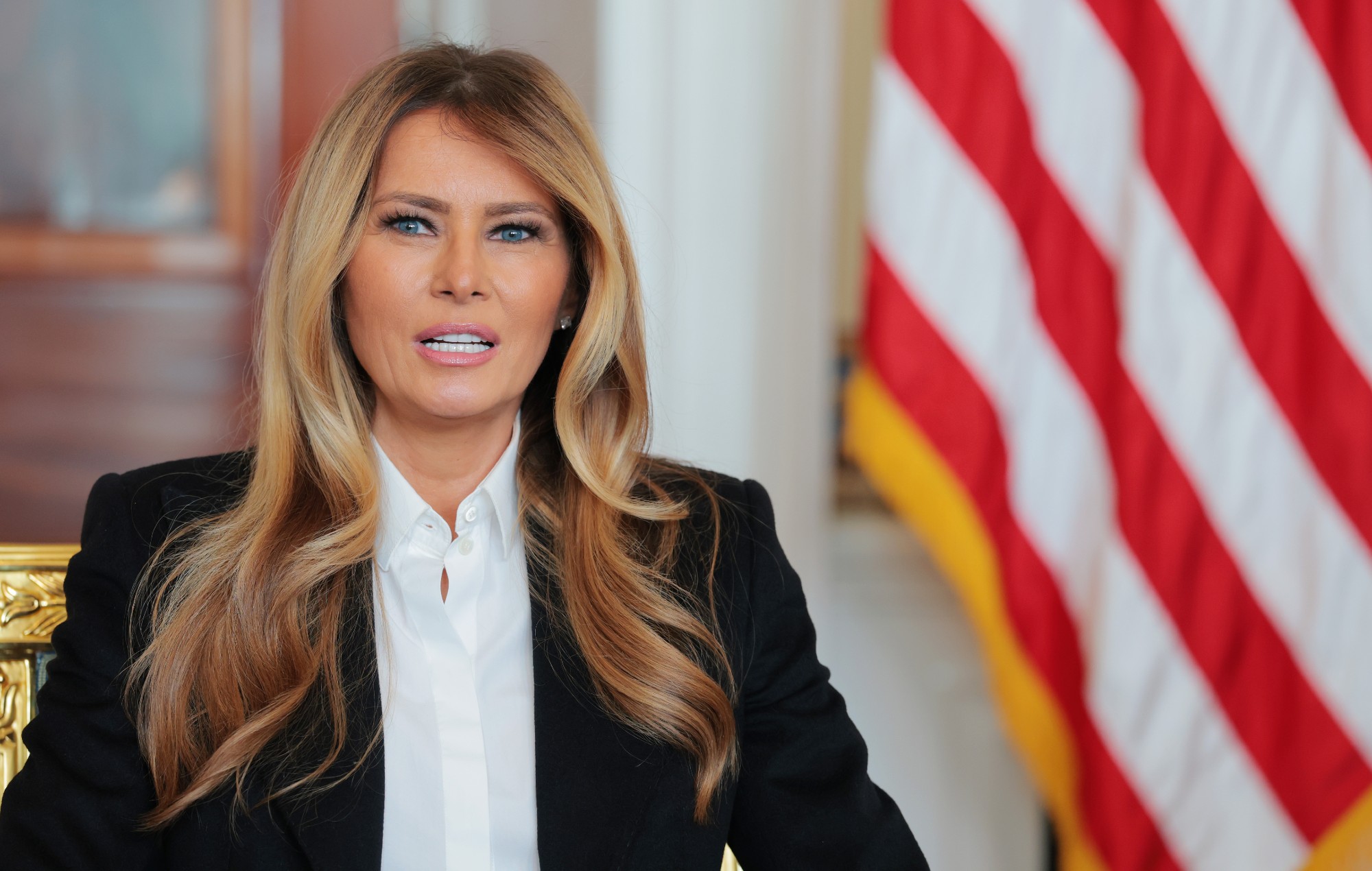
Melania, the documentary about the United States’ First Lady Melania Trump, may have had its opening box office weekend boosted by bulk buying, according to reports.
The Amazon-produced film, chronicling the life of Trump leading up to her husband Donald’s second inauguration as President in 2024, made $7million (£5.1million) in its opening weekend.
While that is a strong debut for a documentary, the film had a significantly larger release than most films in this genre, and reports of empty cinema screenings in the UK and US emerged online. The film currently stands at a five per cent rating on Rotten Tomatoes, with one Guardian critic giving the film zero stars out of five.
Examining the film’s opening weekend, The Daily Beast reports that there have been accusations of “fake tickets sales” made to boost the movie’s fortunes.
The article cites box office expert Tom Brueggemann, whose claims via his Substack: “Industry sources say there were signs that blocs of tickets were purchased for the weekend, then distributed to senior citizen homes, Republican activitists, other interested parties for free to help boost audiences.”
Puck reporter Matthew Belloni, investigating the claims, wrote that distributor Amazon and cinema chains AMC and Regal told him that they “did not experience unusual block purchases of tickets” for the film.
Belloni added the caveat that “the theatre chains might not necessarily know, of course.”
Brueggemann also conceded that “the documentation on this is sketchy”, and that it’s unclear how much of an effect bulk buying had on the total given that it would be “logical” for a film with this target audience to make the total it achieved legitimately.
In other news, reports emerged about the demographics who are driving the movie’s success, with “older white women” said to be the largest group flocking to see the film. Elsewhere, Donald Trump posted on social media that he plans to sue Grammys host Trevor Noah over jokes made about him.
The post ‘Melania’ doc success down to “fake ticket sales”, report suggests appeared first on NME.