

A new ethical ticket resale platform is to be launched in partnership with the Music Venue Trust.
Tickets9 platform, which officially launches tomorrow (January 29), gives “fans a transparent and ethical resale option that directly supports the spaces where new talent is born”, according to a press release.
Key features of the scheme include ensuring any ticket resale is capped at face value along with booking fees only, proof of purchase will be required for every listing, there will be a £1 per ticket donation on events with a capacity of over 5,000 and there will be a 12 per cent buyer platform fee, ensuring sellers receive full face value plus booking fees.
Denzil Thomas from the Music Venue Trust said: “Grassroots music venues continue to face enormous financial pressure, and creating reliable, long-term income for the sector is essential.
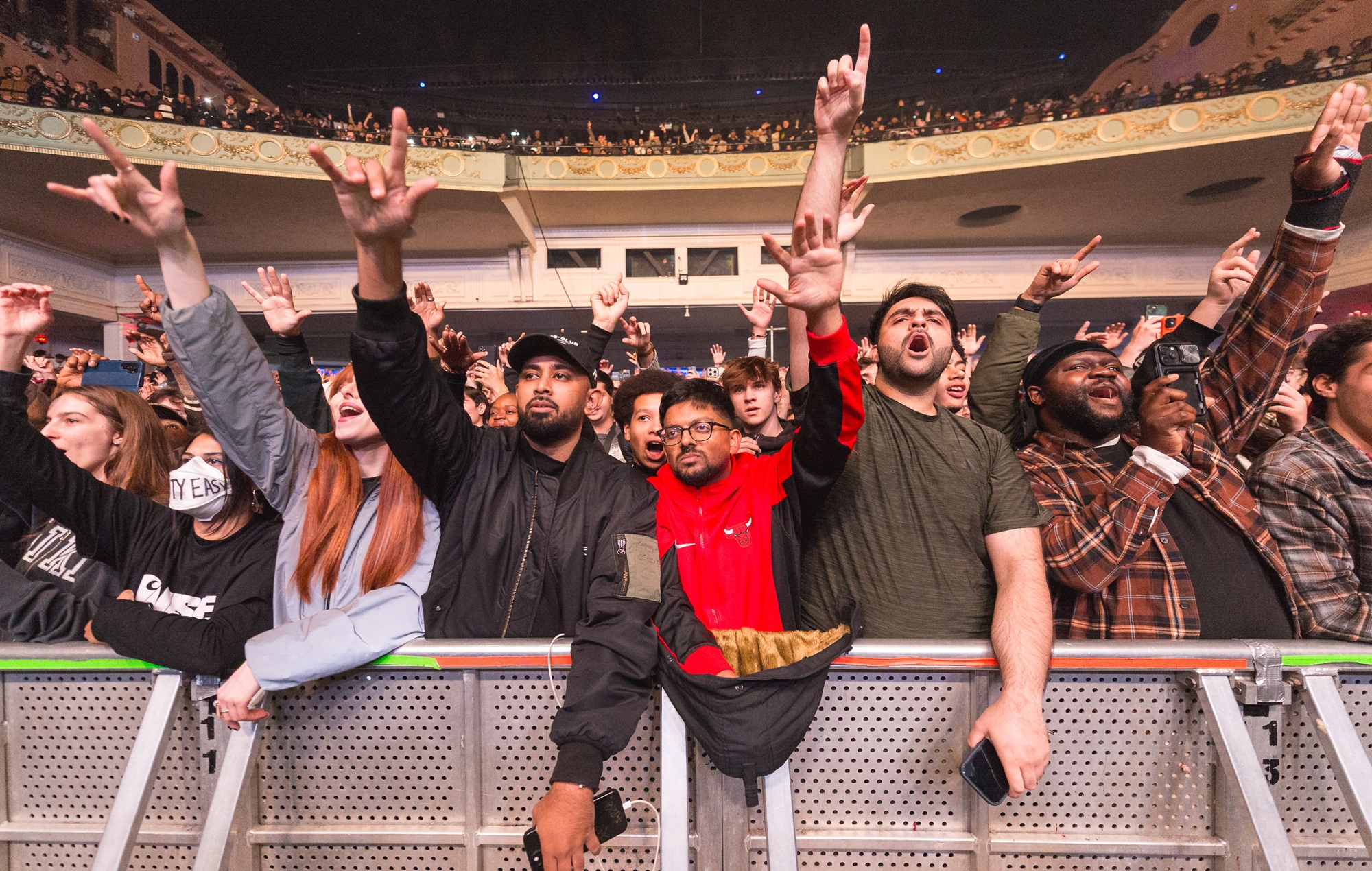
The crowd for Nieve Ella live at Reading 2025. Credit: Derek Bremner for NME
“Tickets9 have built direct support for our network into their platform from day one, ensuring that every qualifying resale contributes to keeping these vital spaces open. This partnership gives fans an ethical option that makes a real difference to the places where new artists learn their craft.”
A spokespersson for Tickets9 added: “Supporting grassroots venues has been at the heart of everything we’ve built. By partnering with MVT before launch and donating £1 per ticket on every qualifying resale, we’re giving fans a genuinely ethical way to buy and sell tickets while helping protect the small venues we all love.”
It comes after the MVT recently revealed that 30 grassroots music venues closed forever between July 2024 and July 2025 while 48 stopped operating as gig spaces.
Of those that survive, an average profit margin of just 2.5 per cent saw a staggering 53.8 per cent of grassroots venues report no profit in the last 12 months, with a loss of over 6,000 jobs (19 per cent) across the year.
The grassroots sector subsidised live music by £76.6million in 2025, while recent larger shows at arena and stadium level saw UK live music contribute a record-breaking £8billion to the economy.
Last year saw the Royal Albert Hall in London become the first arena to commit to a LIVE ticket levy to help support grassroots venues, which sees £1 from every ticket sold invested back into the UK’s live music scene and helps smaller venues keep their doors open and for grassroots artists to tour. Huge names who have been supportive of the levy include Coldplay, Sam Fender and Katy Perry – who have all vowed to donate a portion of their tour revenues to support the grassroots sector.
Coldplay live at Glastonbury 2024. Credit: Andy Ford for NME
Last May, Wolf Alice‘s Joff Oddie also joined industry leaders at a government hearing and insisted that not enough progress was being made in saving venues and new artists. It was reported that UK tour ticket contributions have raised £500,000 for grassroots music venues thanks to artists like Pulp and Mumford & Sons.
The Music Venue Trust recently argued once again that if voluntary industry contribution mechanism to the levy cannot be proven to work by June 2026, then the government must legislate and make the Grassroots Levy law – something Davyd would be “justified”. He praised companies SJM, Kilimanjaro and AEG for their contributions to the levy, but hit out at Live Nation.
“These companies are delivering,” he said. “Live Nation, you know, and the whole industry knows, you are not. If the voluntary levy fails, it will not be the fault of the companies who have already embraced it, or of Music Venue Trust, or of the government, or of any will to do it on behalf of individuals, artists, managers, agents, audiences or anyone else. It will be a direct consequence of the overwhelmingly dominant force in the arena and stadium market deciding not to deliver a voluntary levy. That’s your choice Live Nation and everyone in the industry hopes you make the right one.”
The LIVE trust will offer vital financial support to those working across live music, and also looks to support numerous corners of the live music ecosystem, offering backing to venues, artists, festivals and promoters.
Visit here to find out more about the LIVE Trust and the £1 ticket levy.
The UK government recently confirmed plans to enforce a ban on selling secondary tickets on for a profit.
New rules will make it illegal to re-sell tickets for live music, sports, comedy and theatre events above original cost – making re-sold gig tickets roughly £37 cheaper on average and collectively saving fans £112million per year. Massive fees from secondary ticket sellers will also be stamped out.
“Finally, we’re here,” Culture Secretary Lisa Nandy recently told NME about the announcement. “We promised when we were elected that it would be time up for ticket touts. It’s a good day.”
Explaining the finer details of what it means for gig-goers, she continued: “People will obviously be able to re-sell their tickets, but not for any more than the price they paid for it. They’ll have to sell it at face value.
“You do get lots of people who later find that they can’t go to a gig or sporting event, and we want to make sure that they can still sell their ticket. They won’t be able to add on any more money than they paid, but they will be able to get their money back.”
Meanwhile, yesterday (January 27) it was announced that live music venues in the UK are now set to get government support, following backlash to plans to introduce devastating business rates.
The post New ethical resale platform Tickets9 launches in partnership with Music Venue Trust to automatically pay into grassroots levy appeared first on NME.